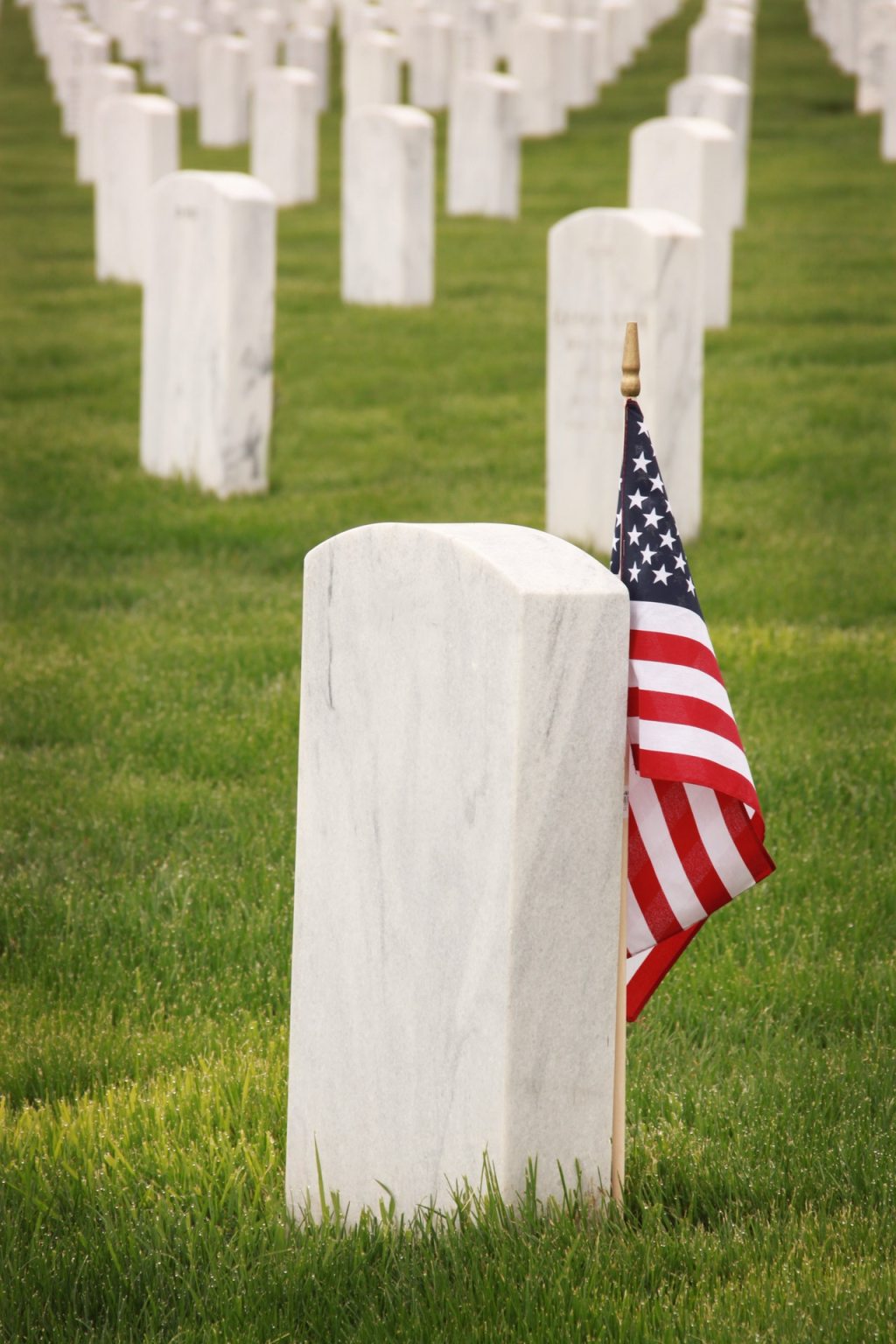
Last month we buried two great American heroes. Of one, hundreds of thousands (perhaps even millions) of us celebrated his distinguished decades of military and public service over several days.
The other, only a few hundred of us in our area celebrated that man’s life. He was someone I got to meet. We talked several times as he recounted his life to me. He was a humble man, the ‘salt of the earth’ kind of Midwesterner that keep us grounded.
Both men saw the atrocities of war but never wavered in the belief of our constitutional right to Life, Liberty and Pursuit of Happiness for all. Yet, each man fought in separate wars. Senator John McCain will be forever linked to the Viet Nam war, and Frank Schwermin with World War II. Let me share with you his story:
Frank was born 96 years ago in Effingham, Illinois. He was the sixth of seven children born to a railroad mechanic and homemaker. At the age of 18 he left home to work in the Surgeon General’s office in Washington, D.C. as a clerk typist. (Yes ladies, it’s hard to believe, but at that time, men held that job!) It was during that time he took flying lessons and received his pilot’s license, discovering his true passion – flying.
When the war broke out, Frank said, “I didn’t want it to go on without me.” He joined the Army Air Corps to become a fighter pilot at 19. He flew a B-24, known as “The Liberator” which held a crew of ten – four officers and six airmen. On his 19th mission with the 389th Bomb Squad, while flying over Germany, his plane was shot down. As the lead in squadron, as he was losing speed, he had to strategically lower his altitude so as not to collide with the airplanes behind him. One by one the other nine men of his crew parachuted from the plane. As the last to leave, and like the others, never having practiced parachuting before, his mind ran through all the rules during the 15,000 freefall – don’t open your chute too soon so as not to be an easy target, and when you do open, swing to and fro to become a difficult target. By the time Frank opened the chute and grabbed the cords he needed to hold onto, he hit the ground.
He and his men were captured, then there was some shooting, and that was when he believes his co-pilot was killed. Since he was an officer, he was treated with some respect, but taken prisoner by the Germans and kept at Stalag Luft III, 100 miles southeast of Berlin which housed only air personnel – British, Canadian, French, Polish and American. Frank was housed in the central compound reserved for the Americans. With the influx of Americans, the number of prisoners increased to over 10,000 men. The Americans were working three escape tunnels in the central compound. This was an undaunted task, for the soil in that part of Germany was very sandy and was selected as a prison camp for that very reason.
This camp was later made famous by the movies “The Wooden Horse and “”the Great Escape” for the actual escapes that occurred there. Those men were housed in the north barracks across the yard from Frank. The Canadian prisoner who escaped on the motorcycle (portrayed Steve McQueen) in The Great Escape did so a couple months before Frank arrived. There was no motorcycle according to Frank. That was for the movies.
When the Russians were closing in, the Germans forced all the prisoners of the center camp (about 2000) to march throughout freezing December nights. They encountered rain, sleet, mud and the unending cold. After marching all night and most of the first day, they came to a church. There wasn’t enough room for all of them. About a dozen men (including Frank) were told they had to spend the night outside and only one blanket each. The minister of the church secreted them into the rectory/vicarage and warmed them with a fire and coffee. During the fifty mile march they slept in other unheated barns and churches. One night the German soldiers found a brick factory for them to sleep in. To Frank and his fellow prisoners it was a real treat – they could warm themselves and dry their clothes. They reached a small village where they were crammed into boxcars and shipped like cattle to another camp. The trip took several days and the smell inside the car was pretty bad cue to the lack of bathroom facilities.
Stalag VII A was designed to occupy 14,000 but at the time he was there, 140,000 prisoners were there under terrible conditions. On April 29th, 1945, a week before his 23rd birthday, a P-51 flew over the camp. Gunfire ensued and then General Patton appeared. In his squeaky voice (unlike George C Scott) the General announced everyone would be released within 48 hours, but Frank knew with the numbers of the people in camp, it would take longer.
Frank returned home and served a couple more months actively in the Army Air Corps. He attended Washington University in St. Louis for his Bachelors of Science in Business Administration and his Masters in Hospital Administration. During that time he met his wife Martie. They moved to Highland Park in 1959 when Frank became administrator of Highland Park Hospital. He held that position for 25 years, the last 5, as President and CEO.
He joined Rotary almost immediately after moving to Highland Park. He credits all the talented people he met through the years in Rotary with helping him to develop better communication skills. He was Club President 1973-74 and District Governor 1993-94. He also received the Distinguished Service Award from The Rotary Foundation- a rare distinction (1999-00).
Several months after I interviewed Frank, his memory was lagging and he couldn’t remember the details of many stories he was asked to speak about at a Rotary meeting. He rarely came to meetings after that and eventually, as his daughter Ann said to me, “I think my mom finally had enough of waiting for him and she told him it was time to come home.”
My time with Frank was ever brief in the scope of his life, yet the hours I spent with him are timeless and priceless. Over the past week, I kept noting the contrast of these two great men and the similarity of their lives. I wanted you to know of this man, this hero who didn’t come from a military family, but sound Midwestern roots. Frank is definitely one of our quiet heroes.
I like to picture him and Martie sitting in deck chairs sipping martinis watching the most glorious sunsets.
Godspeed, Frank!
Photo by Sharefaith from Pexels







 WriteForLife2017